

Planning a trip to Georgia? Whether you’re looking for ski resorts in winter, hiking trails in summer, or wine tours in autumn, Georgia is one of the most affordable and rewarding travel destinations in Europe. This complete Georgia travel guide walks you through the best places to visit by season — from Gudauri ski slopes to Kakheti vineyards — with honest pricing, practical tips, and everything you need to book your perfect trip.
Traveling in Georgia During Winter – What to Expect
Winter travel in Georgia offers two very different experiences depending on where you go. In Tbilisi and the lowlands, temperatures hover between 2°C and 8°C — cool, dry, and perfect for sightseeing without the crowds. The Old Town’s cobbled streets, sulfur bath houses, and cosy wine bars feel especially atmospheric in winter, and accommodation prices drop significantly compared to summer. Head to the mountains, however, and Georgia transforms into one of the most exciting and affordable ski destinations in the Caucasus — a genuine alternative to pricey Alpine resorts.
Ski Resorts and Winter Activities in Georgia
Georgia’s largest and most popular ski destination is Gudauri, located approximately 120 kilometres north of Tbilisi at elevations reaching 3,276 metres. Gudauri ski resort offers slopes for all levels — from beginner-friendly wide runs to advanced off-piste and backcountry terrain. Activities beyond skiing include snowmobile tours, paragliding from the ridge, and heli-skiing. For families and those who prefer gentle slopes, Bakuriani ski resort in the Borjomi district is the ideal choice — with a relaxed village atmosphere and lower prices across the board. The most adventurous option is Mestia in Svaneti, where medieval tower-houses rise from the snow and the views of Ushba peak are unmatched anywhere in Georgia. Winter activities across all resorts include snowshoeing, ice fishing, horse-drawn sleigh rides, and cross-country skiing through pine forests.

Cable Car Routes and Coverage Areas Across Georgian Ski Resorts
Gudauri’s lift system has been upgraded with modern high-speed gondolas and chairlifts linking the village to the upper mountain. The resort covers around 70 kilometres of marked pistes, with cable cars reaching a mid-mountain hub at 2,700 metres and the summit plateau above. A cross-resort connector lift joins the Gudauri and Kobi valleys, opening extra terrain on the back side. In Bakuriani, the cable car network covers the main Didveli and Kokhta-Gora ski zones efficiently — perfect for families and beginners. Mestia’s gondola climbs from the village to the open alpine terrain of the Hatsvali ski area, offering some of the most spectacular panoramic views in the entire Caucasus.

The Tours That Are as Popular in Summer as They Are in Winter
Some of Georgia’s most beloved destinations have no off-season. The drive to Kazbegi is extraordinary whether the valley is snow-covered or carpeted in wildflowers. The cave city of Vardzia, carved into a volcanic cliff in the twelfth century, is breathtaking in January frost and August sunshine alike. Tbilisi — with its eclectic architecture, Silk Road history, and world-class food scene — simply has no bad time to visit. These are destinations where the appeal is cultural and landscape-based, not weather-dependent, making them ideal year-round tours in Georgia.


Why Mountainous Georgia Is a Popular Summer Travel Destination
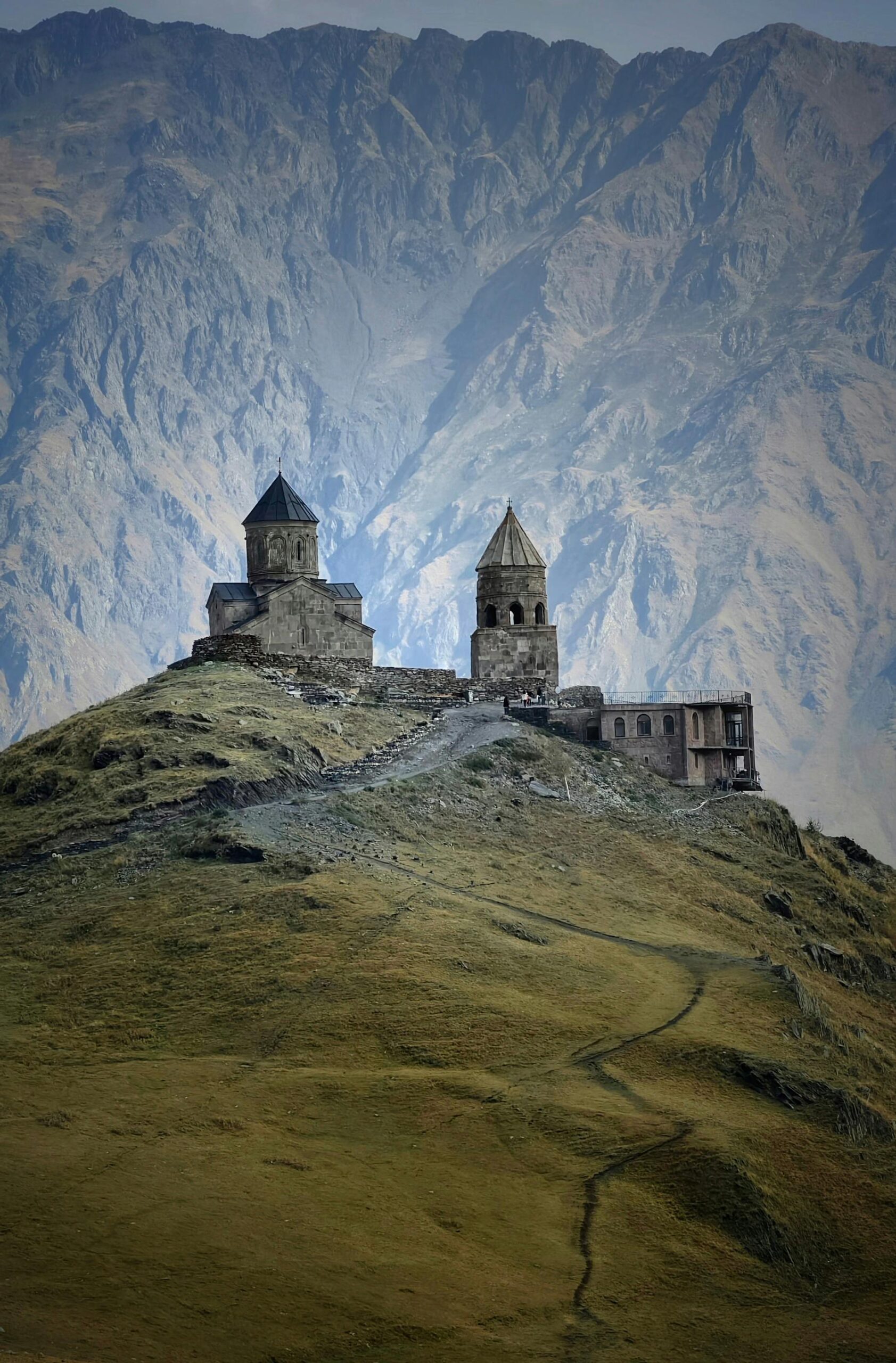
When Tbilisi hits the high thirties in July, the Caucasus mountains offer cool, fresh air and some of the finest hiking in Europe. The regions of Kazbegi, Svaneti, and Tusheti feature trails through wildflower meadows, past glacial lakes, and over high passes with views into two countries at once. The iconic Gergeti Trinity Church above Stepantsminda — with Mount Kazbek rising behind it — is one of those Georgia landmarks that exceeds every expectation in person. Summer also brings mountain festivals, outdoor horse racing, and family guesthouses along ancient trade routes. For serious trekkers, the Transcaucasian Trail passes through some of the most pristine and remote highland scenery in the entire region.
Resort Destinations Known for Wellness and Healing Benefits
Georgia has a centuries-old wellness tradition rooted in its extraordinary natural resources. Borjomi has been famous since the nineteenth century for its naturally carbonated mineral water rising from volcanic springs — the town sits in a forested national park with walking trails, waterfalls, and natural spring pools. Tskaltubo, near Kutaisi, is built around naturally warm radon-carbonate springs and retains a fascinating collection of Soviet-era grand sanatorium buildings. In Tbilisi itself, the historic Abanotubani sulfur bath district has welcomed bathers since the medieval period, with private and communal bathhouses offering genuine therapeutic soaks that locals rely on for skin health and muscle recovery.
Key Benefits of Traveling to Georgia in Spring & Autumn
Spring (March–May) and autumn (September–November) are widely considered the best seasons for visiting Georgia. In spring, the landscape turns green overnight, almond trees blossom across the lowlands, and mountain roads begin to reopen. Weather is warm and pleasant, tourist infrastructure is fully running, and major sites are free of summer crowds. Autumn brings equally compelling reasons to visit: hardwood forests light up in amber and crimson, markets overflow with pomegranates, mushrooms, and fresh grape juice, and the cultural calendar fills with harvest festivals. Hotel prices are lower than peak summer, and mountain roads remain fully accessible before winter closures. For the best combination of weather, value, and authenticity, spring and autumn in Georgia are hard to beat.
Autumn in Kakheti: Georgian Cuisine, Harvest, and Winemaking Traditions
No Georgia travel guide is complete without Kakheti in autumn. This sun-drenched wine region in eastern Georgia is home to one of the world’s oldest winemaking cultures — stretching back more than 8,000 years. UNESCO has recognised the traditional method of fermenting wine in buried clay vessels called qvevri as Intangible Cultural Heritage of Humanity, and in Kakheti you can witness it practised as it has been for millennia.
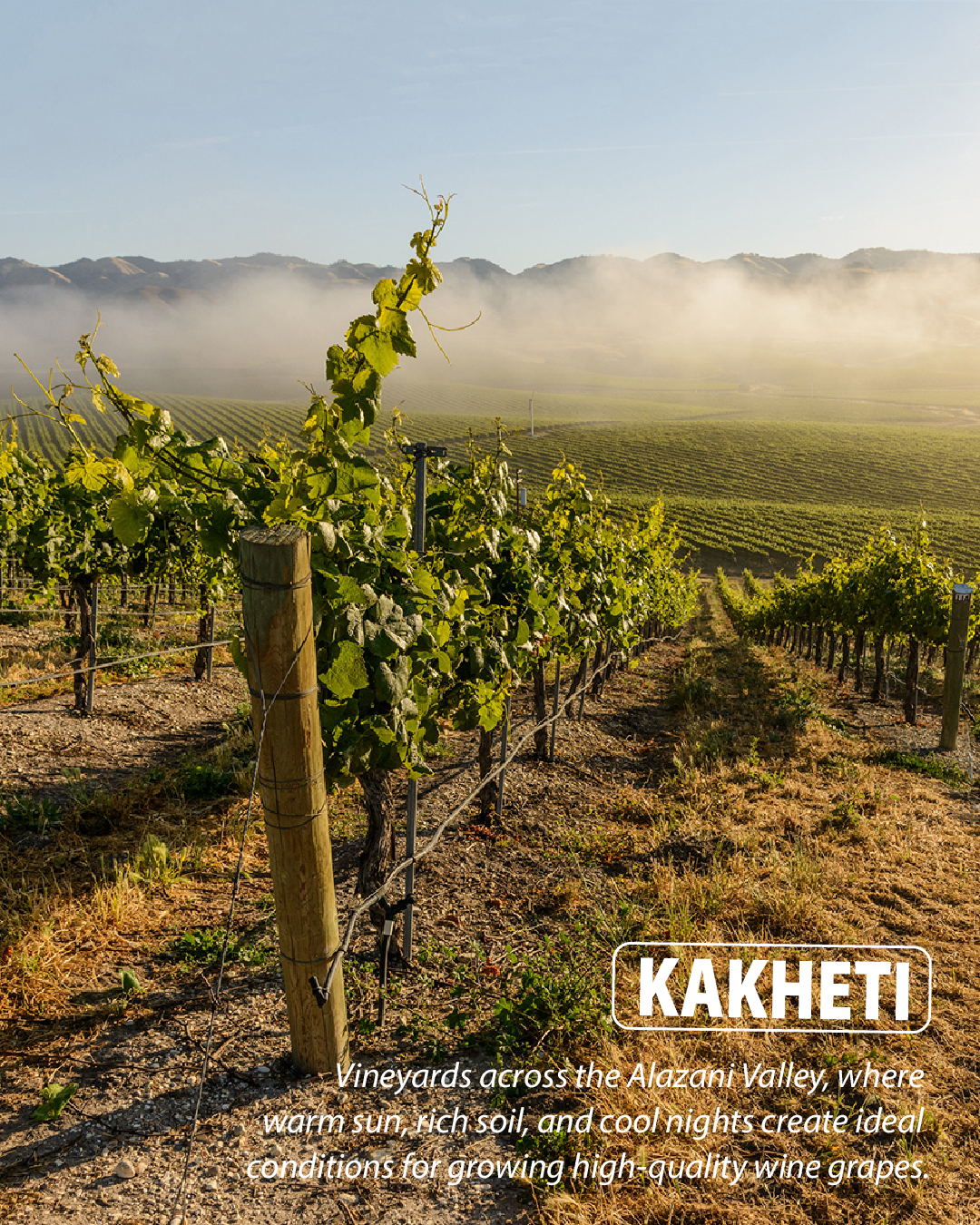

The harvest season, known as Rtveli, runs from late September into October. Families and friends fill the vineyards to pick grapes by hand, crush them traditionally, and seal the juice with skins and seeds into qvevri to ferment slowly through winter. The result is a complex, amber-coloured wine completely unlike anything produced by modern methods. Kakhetian cuisine peaks in autumn too — badrijani nigvzit (walnut-filled eggplant rolls), shkmeruli (chicken in garlic-milk sauce), and churchkhela filling every market stall. A supra feast guided by a tamada toastmaster in Kakheti in October is one of the most memorable social experiences available to any traveller in Georgia.
Tips for Planning Your Trip to Georgia
Georgia is an exceptionally easy country to travel independently, and a remarkably affordable one. There is no visa requirement for citizens of most European, American, and Asian countries — you simply arrive. English is widely spoken in Tbilisi, Batumi, and all major tourist destinations. The national currency is the Georgian lari (GEL), and cash is accepted almost everywhere, though cards work well in city hotels and restaurants. Public marshrutka minibuses connect every major destination, and private transfers are inexpensive by any international standard. The country is also genuinely safe, with low crime rates and extremely hospitable locals who consider looking after guests a point of national pride.
Vacation Costs in Georgia by Resort and Season
Georgia consistently ranks as one of the most affordable travel destinations in Europe and the Caucasus. In Tbilisi, comfortable hotel accommodation runs $25–60 per night, and dinner for two at a good local restaurant costs $15–25. A day trip from Tbilisi to Kazbegi or Kakheti in a shared group tour starts from $15–20 per person. At Gudauri ski resort, lift passes cost $20–30 per day, and accommodation ranges from $40–120 per night depending on hotel standard. A boutique stay in Kakheti with wine tasting costs $60–120 per night, while group wine tours start from $10–15 per person. Guesthouses in Svaneti and Kazbegi offer full board — accommodation, breakfast, and dinner — for $20–40 per night, making Georgia’s mountains among the most accessible adventure destinations in Europe.
Pros and Cons of Booking Through a Travel Agency
Booking through a reputable Georgia travel agency has clear advantages. An agency handles all logistics — transport between destinations, accommodation, guides, and permits for restricted areas like the Tusheti military road. Group tours substantially reduce per-person costs on popular routes, and a knowledgeable local guide adds historical and cultural context that independent travel simply cannot replicate. The trade-off is flexibility: fixed itineraries and group departure times mean you can’t linger in a village you love or skip a stop that doesn’t interest you. For first-time visitors with limited time, a structured tour typically delivers more value and peace of mind. For experienced travellers comfortable with improvisation, independent travel in Georgia is straightforward, rewarding, and often cheaper still.
Ready to plan your trip? Browse our Georgia tours and day trips to find the right option for your travel style and budget.